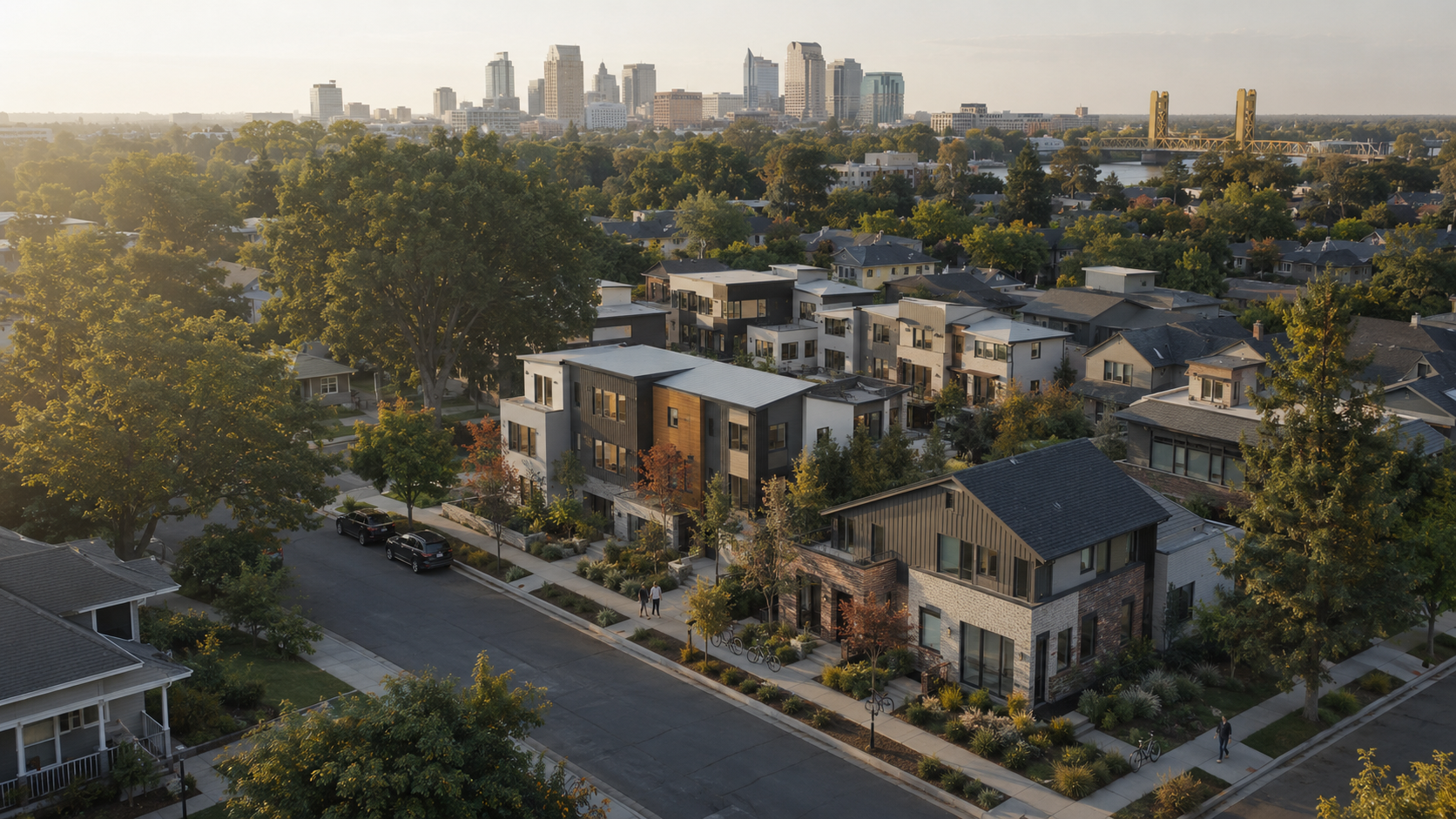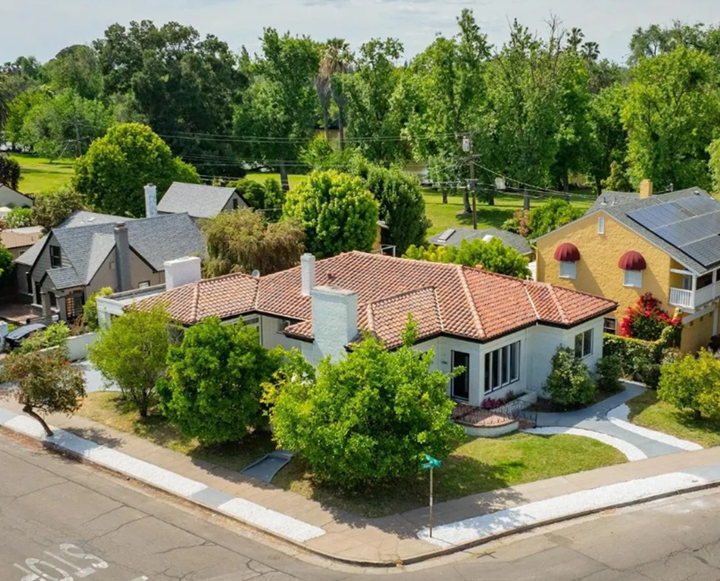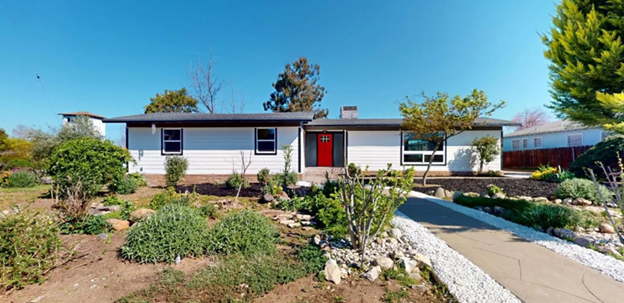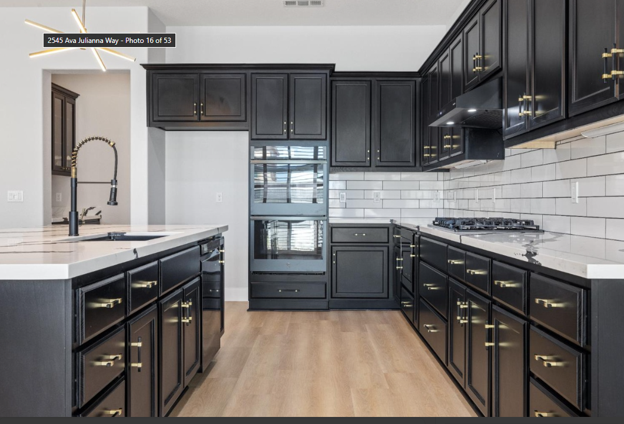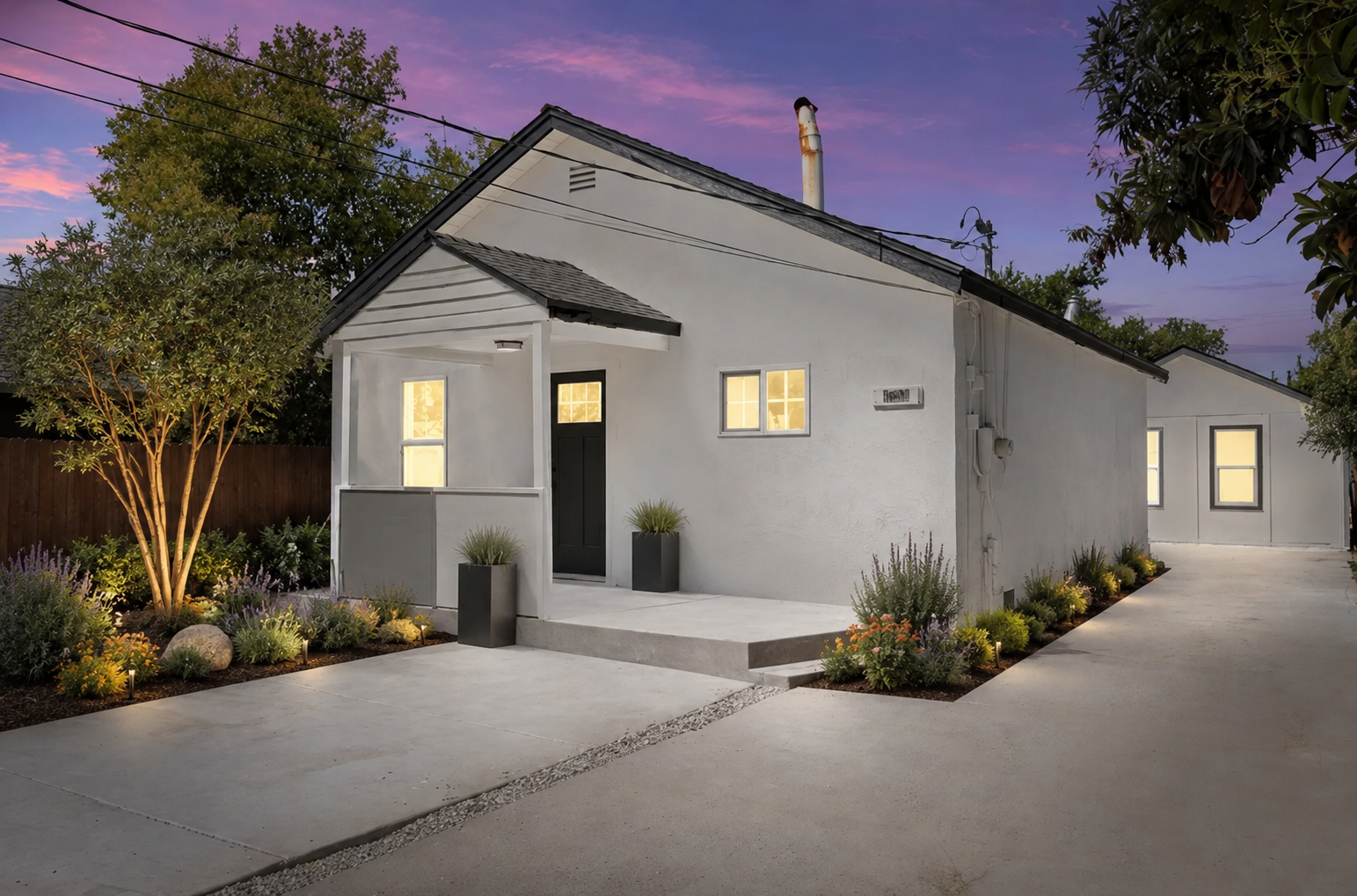
New attainable single-family homes in California's Central Valley at golden hour
Nimble Development

Restoring Housing Balance Through Attainable Homebuilding.

Small builder, big vision. As an AI-first homebuilder, we use technology to deliver attainable homes in our local communities. We share our principles and systems so our impact can scale nationwide.

Trusted by Investors, Lenders, and Homeowners
Merchants Mortgage & Trust Corporation
Lender
Dan Spirka
Homeowner
"Nimble Development delivered a great product."
Dan Spirka
Proud Homeowner

Questions & Answers

Everything you need to know about Nimble Development and attainable homebuilding

We build attainable single-family homes in Central California — specifically designed for families earning at or near the local median income. Our focus is the Central Valley, where the gap between what people can afford and what's being built is widest.
It means our acquisition, design, and construction decisions are driven by data — not gut feel. We built data pipelines that pull from Census, Redfin, FRED, and HUD to measure product-market fit in real time. Every project starts with a Nimble Attainability Index score that tells us whether a market needs what we build.
Most affordability indices ask "can people afford what's being built?" Our calculator asks "is anyone building what people can afford?" That distinction matters. We combine income data, FHA loan limits, construction permits by unit type, and real-time market dynamics into a single score designed to drive build decisions — not just diagnose problems.
We're focused on the Central Valley of California — markets like Patterson, Stockton, and Modesto — where median household incomes range from $77K to $84K but the cheapest new construction starts above $430K. That $100K+ gap is the opportunity we're targeting.
We work with private lenders, community banks, and strategic investors who share our thesis that attainable housing is both a market opportunity and a community need. Reach out at info@nimble-development.com to start a conversation about partnership, co-investment, or licensing our data platform.
The NAI is a composite score from 0 to 100 that measures how well a market's housing supply matches its residents' ability to pay. It combines five public data sources — Census ACS, Redfin, FRED, HUD, and Census Building Permits — into a single actionable metric. When the NAI drops below 40, the local construction industry is building above the income curve.

Building homes people can afford

We build in public — read how we're using AI to find, fund, and deliver attainable housing.